Work · Ecological garden services · London

Ecological garden care

Maintenance, transformation and regeneration for London gardens, each one working with nature rather than against it. Find the starting point that fits your garden.

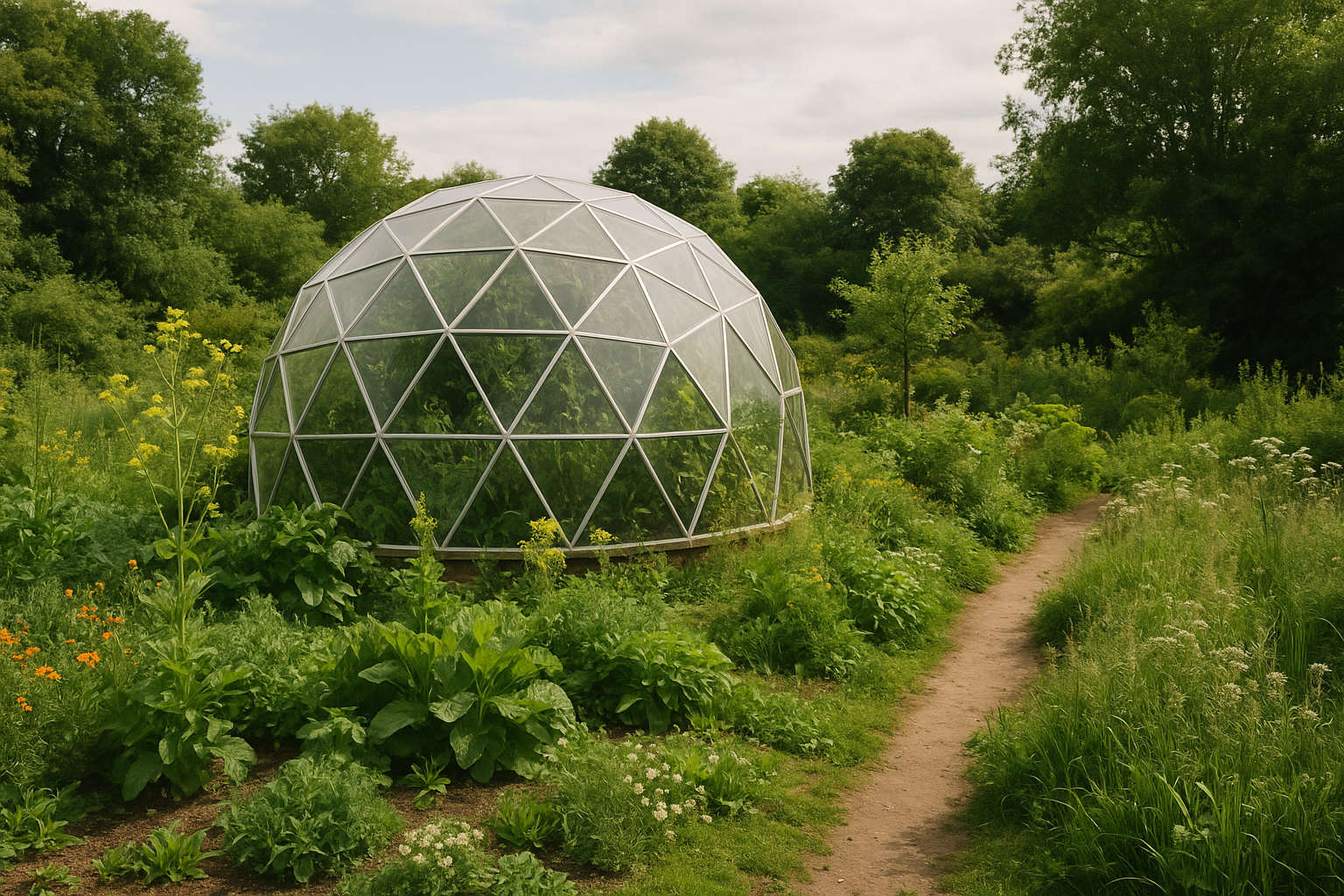
Hero photograph for Biosphere Gardens. One wide, calm establishing photograph of

Chapter one · Services

Three ways into a living garden

Every service shares one aim: a garden that restores soil health, supports pollinators and grows into a resilient, self-sustaining ecosystem. What differs is where your garden is starting from.

Maintenance

Ongoing ecological care for a garden that already exists.

Attentive, regular care that keeps a garden healthy by working with its living systems: protecting the soil, leaving room for pollinators and helping the garden grow more resilient over time.

What it covers

Maintenance is garden care that works with nature rather than against it. The aim is not a garden held still, but one tended so that its soil, plants and wildlife keep strengthening one another.

Care is guided by observation: how the garden is responding, and what it needs next.

A good starting point if

  • Your garden has a structure you like and you want it looked after differently.
  • You want care that builds soil health instead of depleting it.
  • You would like the garden to support more pollinators over time.

Transformation

Reshaping a garden around ecology, from the ground up.

For gardens ready for real change: a considered redesign that plans planting, soil and habitat together, so the finished garden is beautiful and also works as a living system.

What it covers

Transformation begins with planning with ecology: understanding the site, its light and its soil, then shaping a garden where plants, pollinators and people each have their place.

The intention is a garden designed to support itself, so it asks for less intervention as it matures.

A good starting point if

  • The garden no longer suits how you live or what you value.
  • You want a garden that actively helps address climate change.
  • You are starting from lawn, bare ground or a tired layout.

Regeneration

Restoring depleted ground to a living, self-sustaining ecosystem.

For gardens where soil and wildlife need rebuilding: patient work that restores soil health, brings back habitat for pollinators and helps the garden become resilient on its own terms.

What it covers

Regeneration starts underground. Healthy soil holds water, feeds plants and supports the life above it, so restoring it comes first.

From there, planting and habitat are established to welcome pollinators back and to build an ecosystem that can sustain itself.

A good starting point if

  • The soil is compacted, bare or struggling to grow anything well.
  • Wildlife has largely left the garden.
  • You want to rebuild the foundations before redesigning.

Chapter two · Process

How it works

Every garden begins with a consultation. It is where the right starting point becomes clear.

  1. Listen & observe

    We start by understanding your garden as it is and what you hope it can become: its light, its soil, its planting and the life it already supports.

  2. Plan with ecology

    Next comes a plan shaped around how the garden can work with nature: which service fits, and what to restore, keep or introduce.

  3. Establish, care & regenerate

    Then the work begins, through maintenance, transformation or regeneration, with care that helps the garden grow into a resilient ecosystem.

What a consultation establishes

  • Where your garden stands today: soil, light, planting and wildlife.
  • What you want the garden to do, for you and for the planet.
  • Whether maintenance, transformation or regeneration is the right place to begin.
  • The ecological priorities for your garden, starting with soil health and pollinators.
Supporting photograph for Biosphere Gardens. A different photograph from the her

Chapter three · Principles

Soil first, then everything else

Biosphere Gardens exists to reconnect people with the planet through ecological gardening. Three priorities run through every service.

Restore soil

Living soil is the foundation the rest of the garden depends on.

Support pollinators

Planting and habitat that give bees and other pollinators a reason to stay.

Build resilience

Gardens, and the communities around them, that grow better able to sustain themselves.

Biosphere Gardens

Chapter four · Begin

Begin with a conversation about your garden

Tell us about your garden and what you hope it can become. A consultation is the first step towards maintenance, transformation or regeneration.

Book a garden consultation

Field notes, now and then

Occasional notes on ecological gardening in London, sent to your inbox.

Your email address is the only detail we ask for.